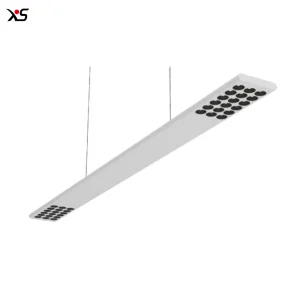
Deploy modern geometric profiles embedded with robust IoT protocols optimized for local off-grid and hybrid energy infrastructure.
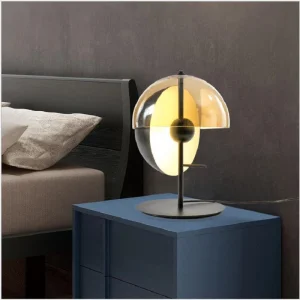
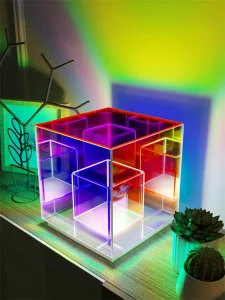
In modern spatial design, lighting is no longer just about vision; it dictates the energy profiles, environmental footprints, and cognitive performance of public and private structures. For the Kiribati market, composed of scattered low-lying coral atolls across millions of square kilometers in the Pacific Ocean, lighting systems face unique challenges. High electricity costs, saline environments, and reliance on solar microgrids necessitate lighting solutions that combine high efficacy (lm/W), marine-grade durability, and advanced smart capabilities.
As global architects and local contractors turn to smart geometric lights, the integration of geometric designs (hexagons, rings, and linear arrays) is transforming spaces from Tarawa to Kiritimati. This whitepaper analyzes how high-performance smart geometric lights, sourced from leading factories in China like Guangdong Xolle Light Co., Ltd., can optimize energy consumption, simplify maintenance, and withstand the challenging environmental constraints of the Pacific region.
"Integrating IoT-controlled smart geometric lights into localized solar microgrids reduces peak demand by up to 40%, safeguarding energy storage assets in remote Pacific communities."
Kiribati’s national development framework emphasizes sustainable infrastructure. The transition from legacy fluorescent and low-end LED fittings to smart geometric fixtures is driven by several key factors:
| Lighting Parameter | Standard Commercial Grade | Pacific Marine Grade (Kiribati Optimized) | Energy & Reliability Impact |
|---|---|---|---|
| Efficacy | 80 - 95 lm/W | 110 - 140+ lm/W | Saves 30% battery runtime on solar microgrids |
| Housing Material | Standard Aluminum / Plastic | High-purity AL6063 + C5-M Powder Coating | Prevents oxidation and salt-mist corrosion |
| Driver Range | Narrow Range (220-240V) | Ultra-wide Range (100-277V) or DC 48V | Protects against island voltage drops & spikes |
| IP Rating | IP20 (Indoor Only) | IP54 / IP65 with moisture vents | Ensures internal dry conditions in 95% humidity |
The value of "smartness" in geometric lights lies in control. Integrating smart geometric lighting systems offers several operational advantages:
Installing copper control wiring (like DALI or 0-10V) in remote parts of Kiribati can be cost-prohibitive. Smart geometric fixtures from Guangdong Xolle Light utilize Zigbee 3.0, Bluetooth Mesh, and Matter-over-Thread protocols. This allows installers to create robust network meshes without extra control lines, enabling remote scheduling, grouping, and sensor-based dimming directly from mobile devices or local network gateways.
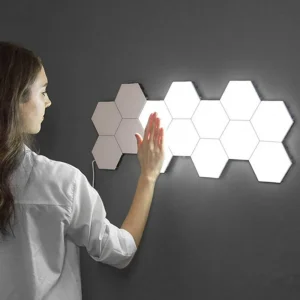
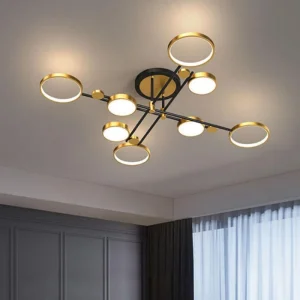
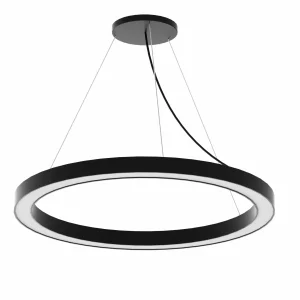
Geometric forms—ranging from linear profiles to hexagonal wall lights and circular rings—allow architects to match lighting layouts with architectural shapes. In hotels, retail areas, and government offices in South Tarawa, modular geometric configurations can adapt to changing layouts, reducing the need for costly ceiling modifications.
SEO Insight: By using smart geometric ceiling lights, commercial builds in the Pacific region can optimize both lighting quality and energy consumption. The modular design of these fixtures also simplifies future upgrades and repairs.
As a major manufacturer in Zhongshan, the "Lighting Capital of China," Guangdong Xolle Light Co., Ltd. offers a robust supply chain to support the Kiribati market. Shipping to remote Pacific destinations like Tarawa (via key ports in Fiji, Australia, or New Zealand) requires careful planning, secure packaging, and reliable components.
Operating a modern 15,000-square-meter facility with an independent R&D center staffed by more than 30 professional engineers, Xolle Light maintains strict control over every stage of manufacturing. This ensures that the products shipped to Kiribati are built to withstand challenging coastal conditions.
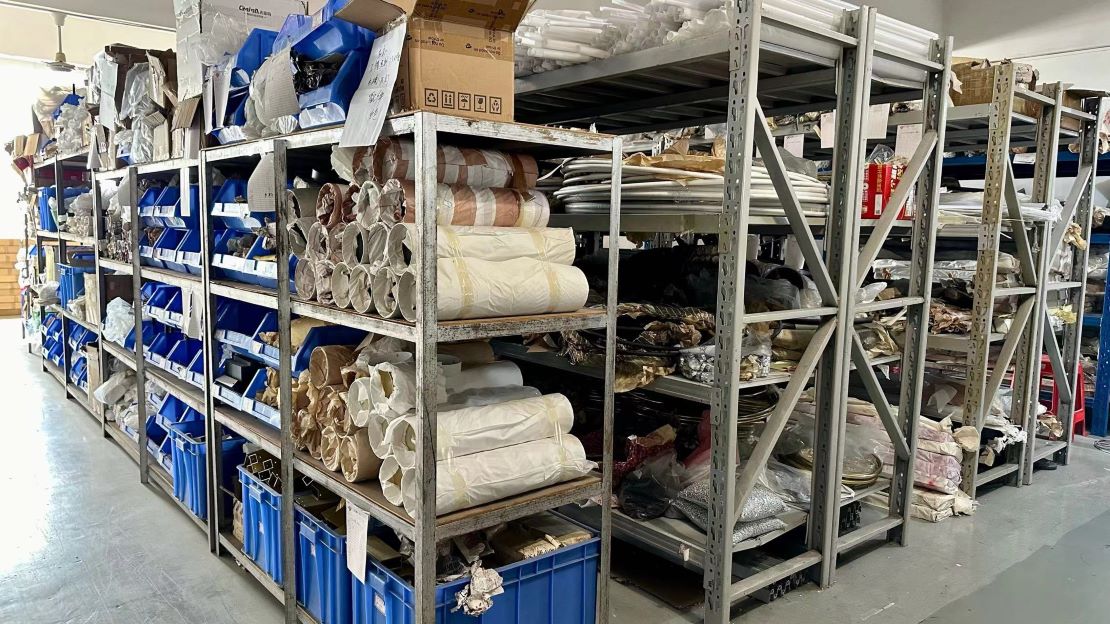
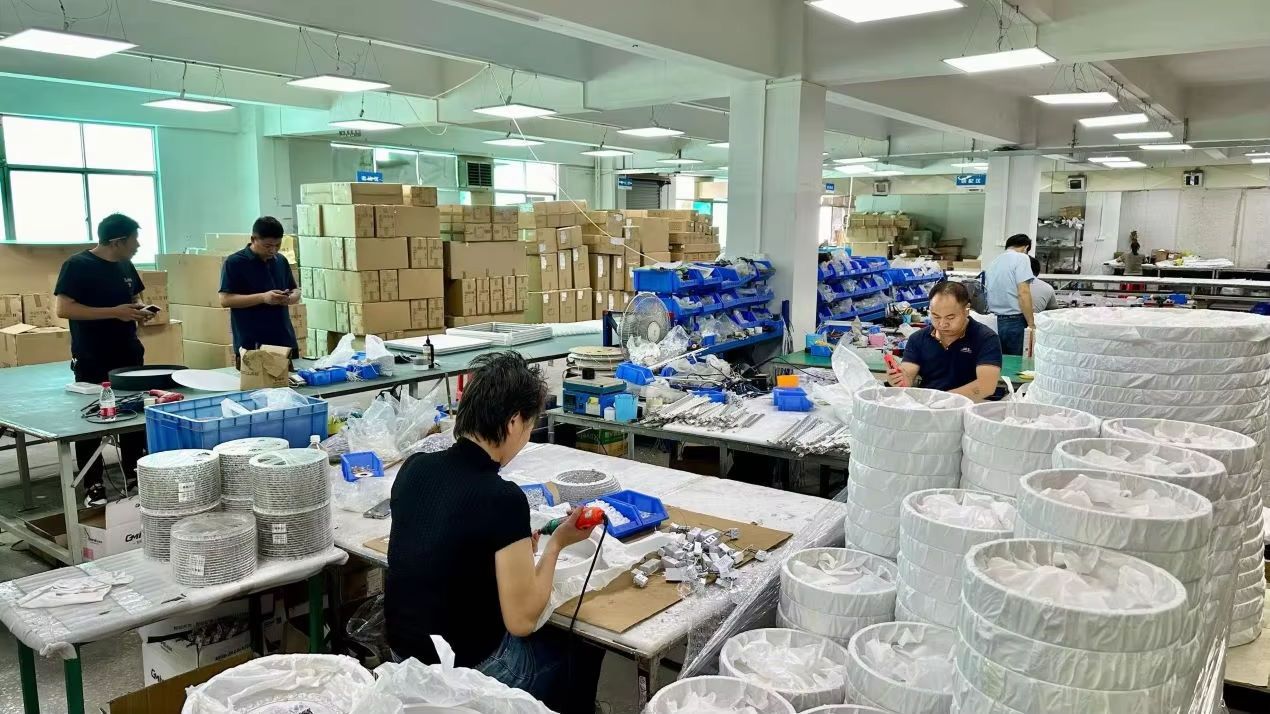
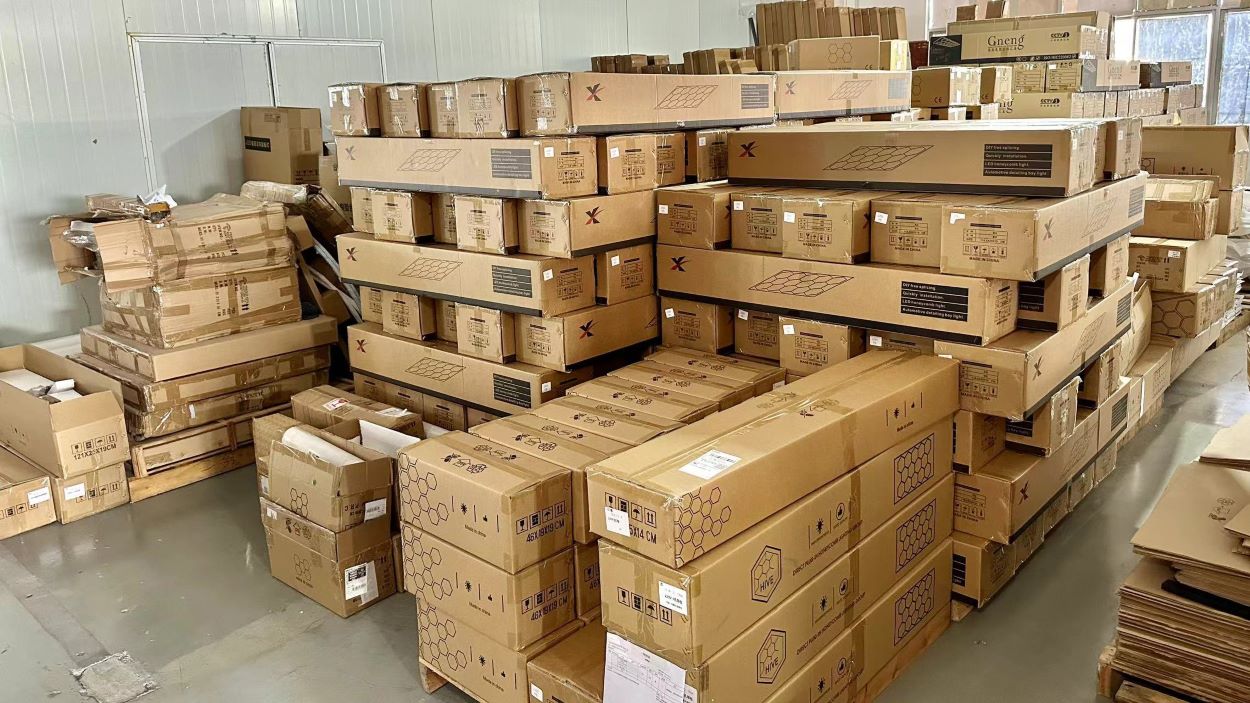
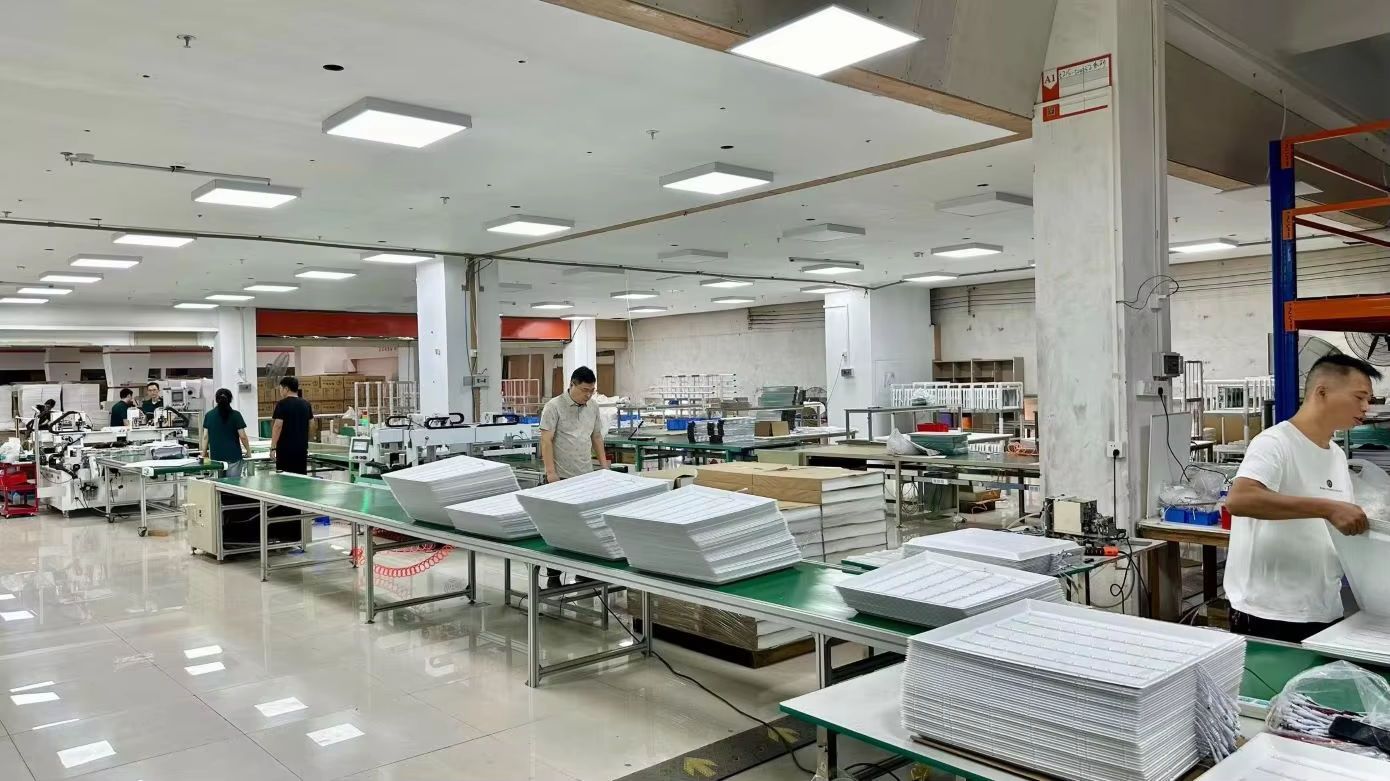
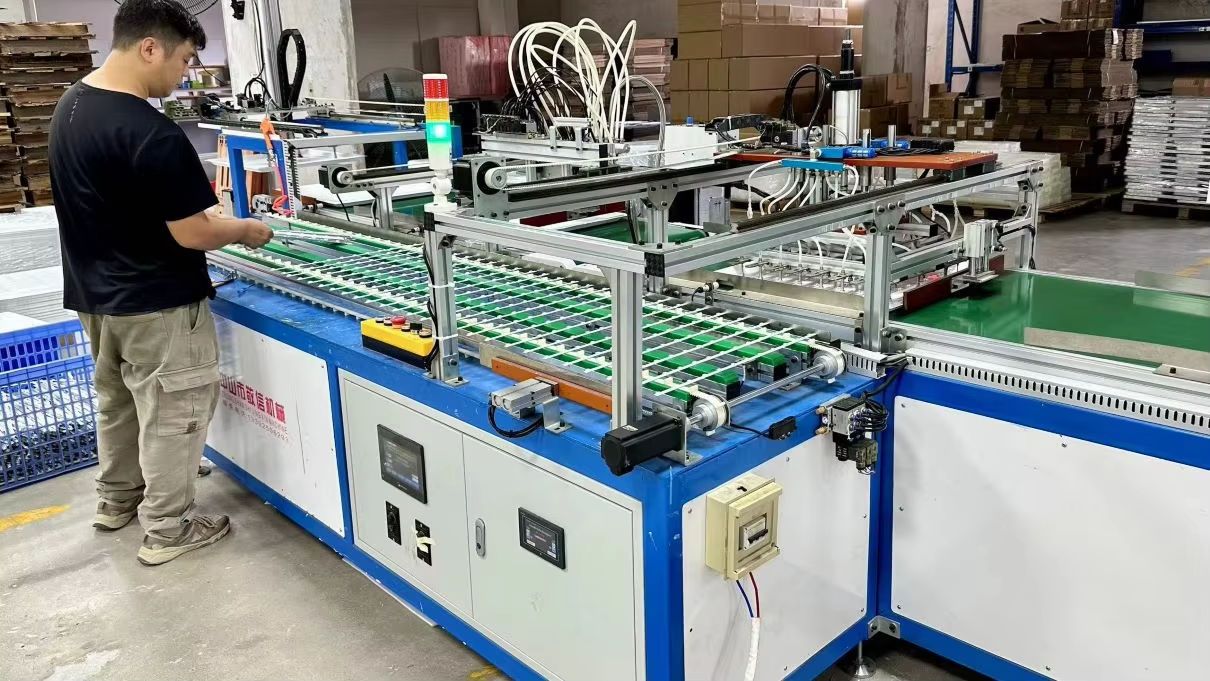
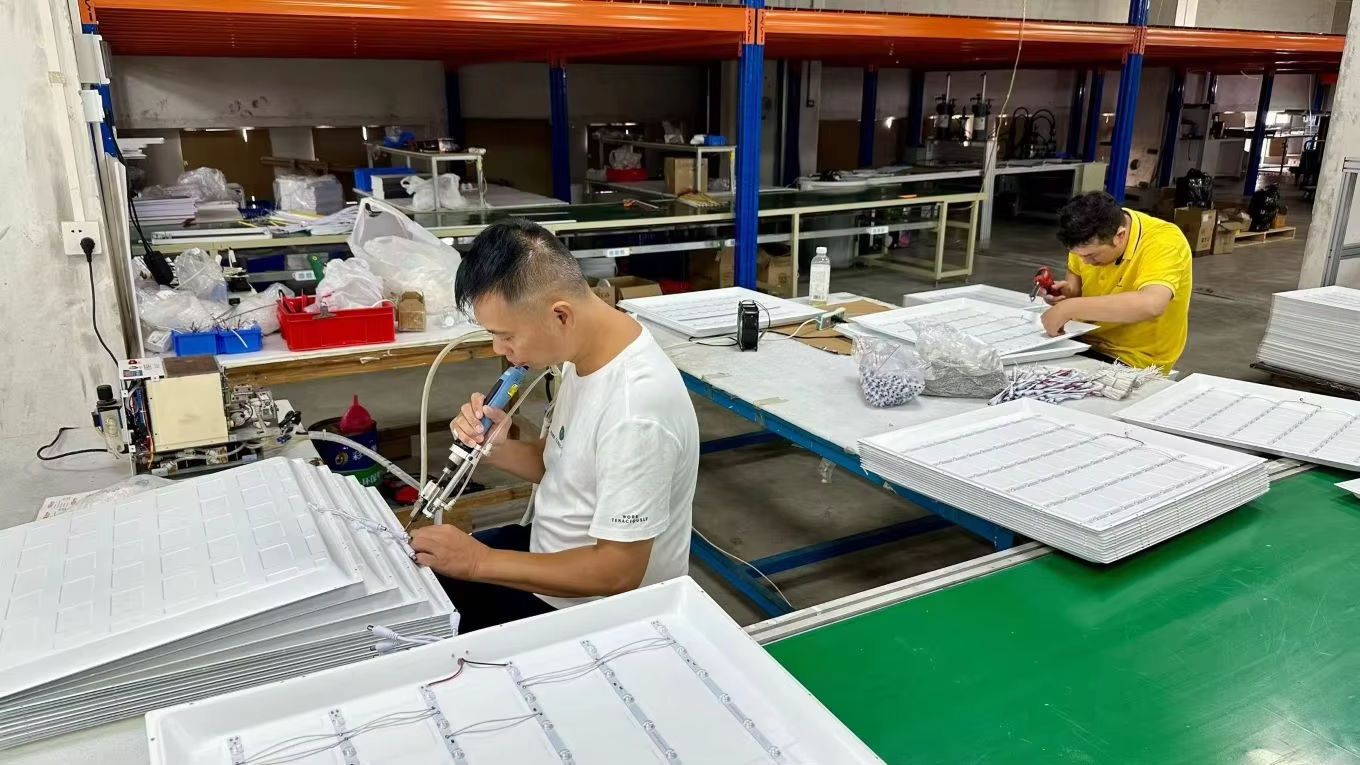
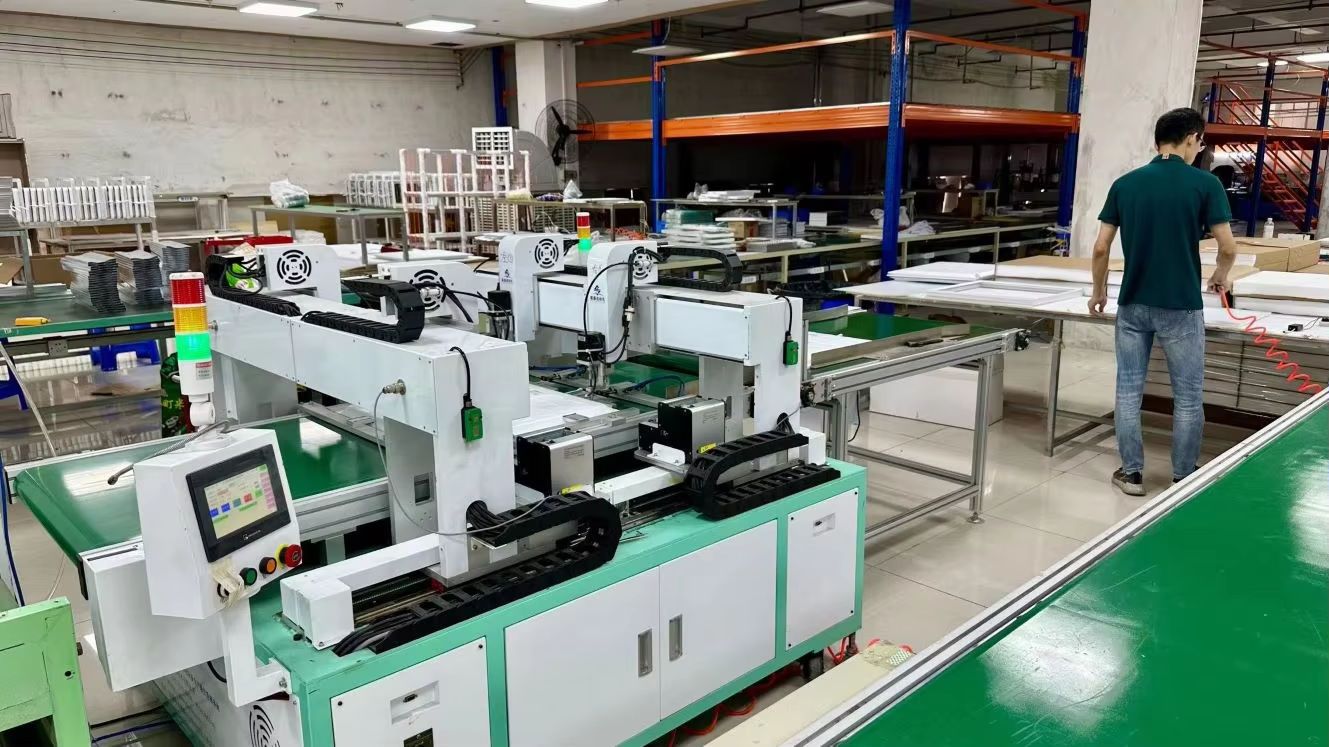
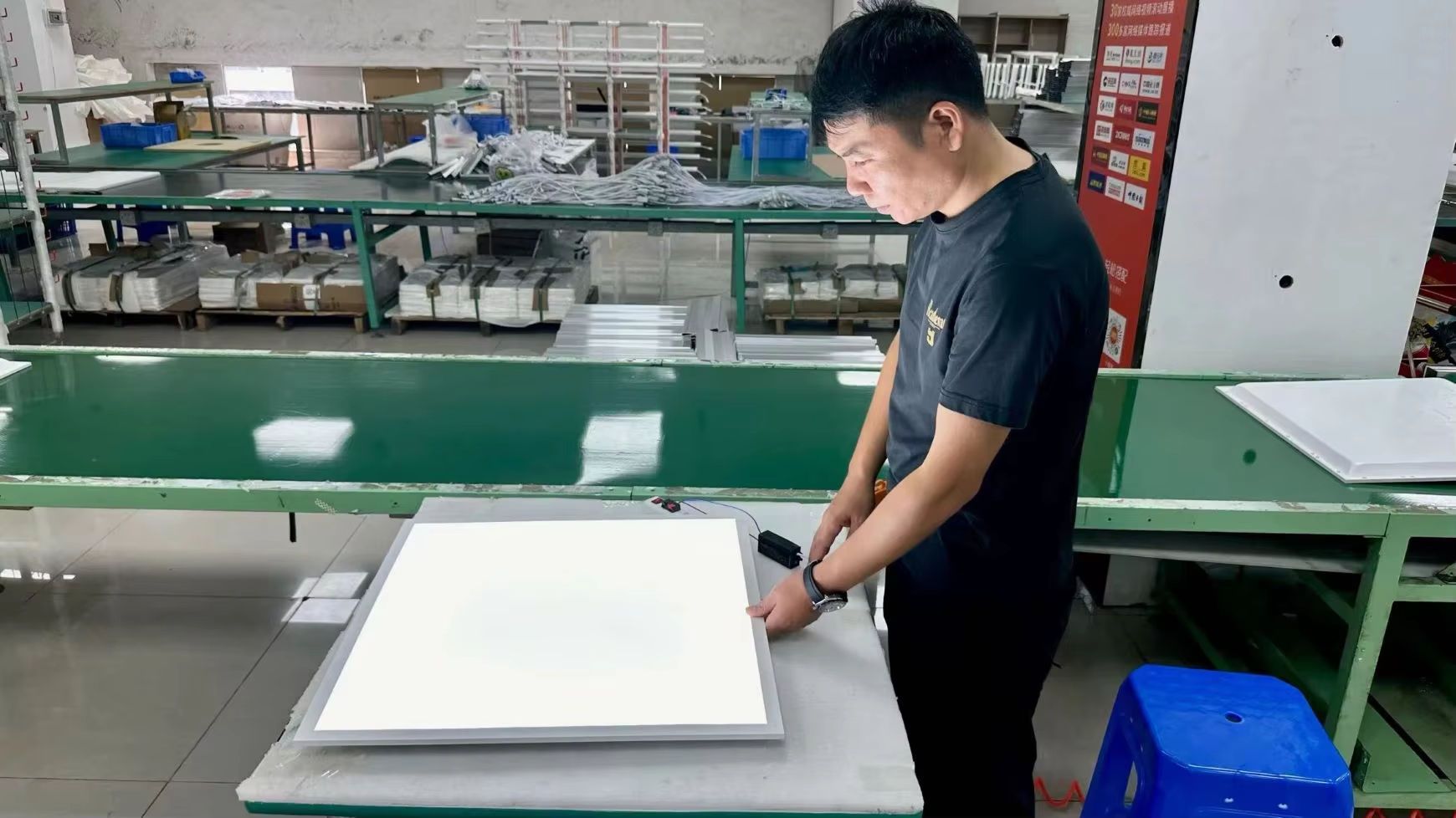
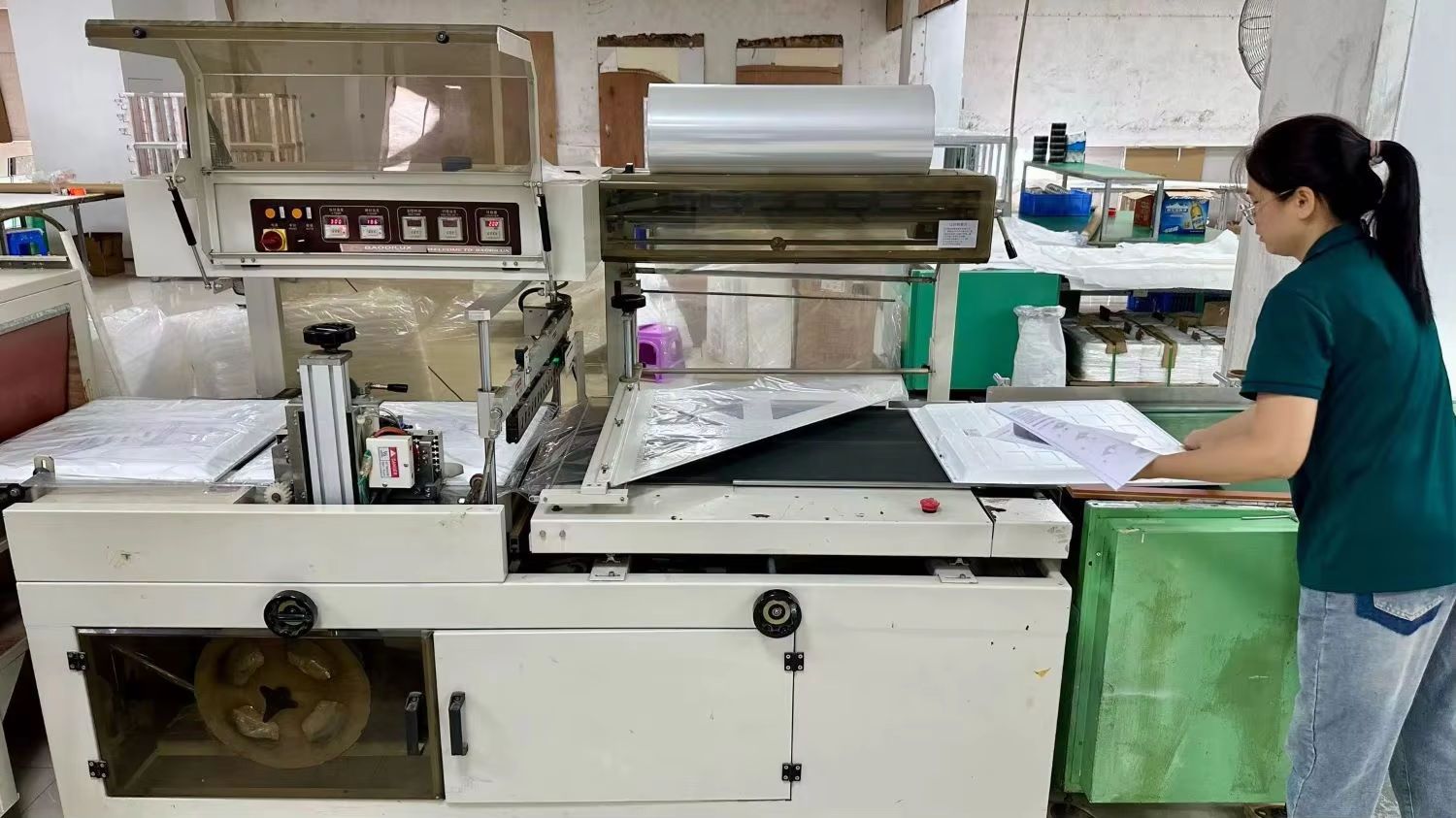
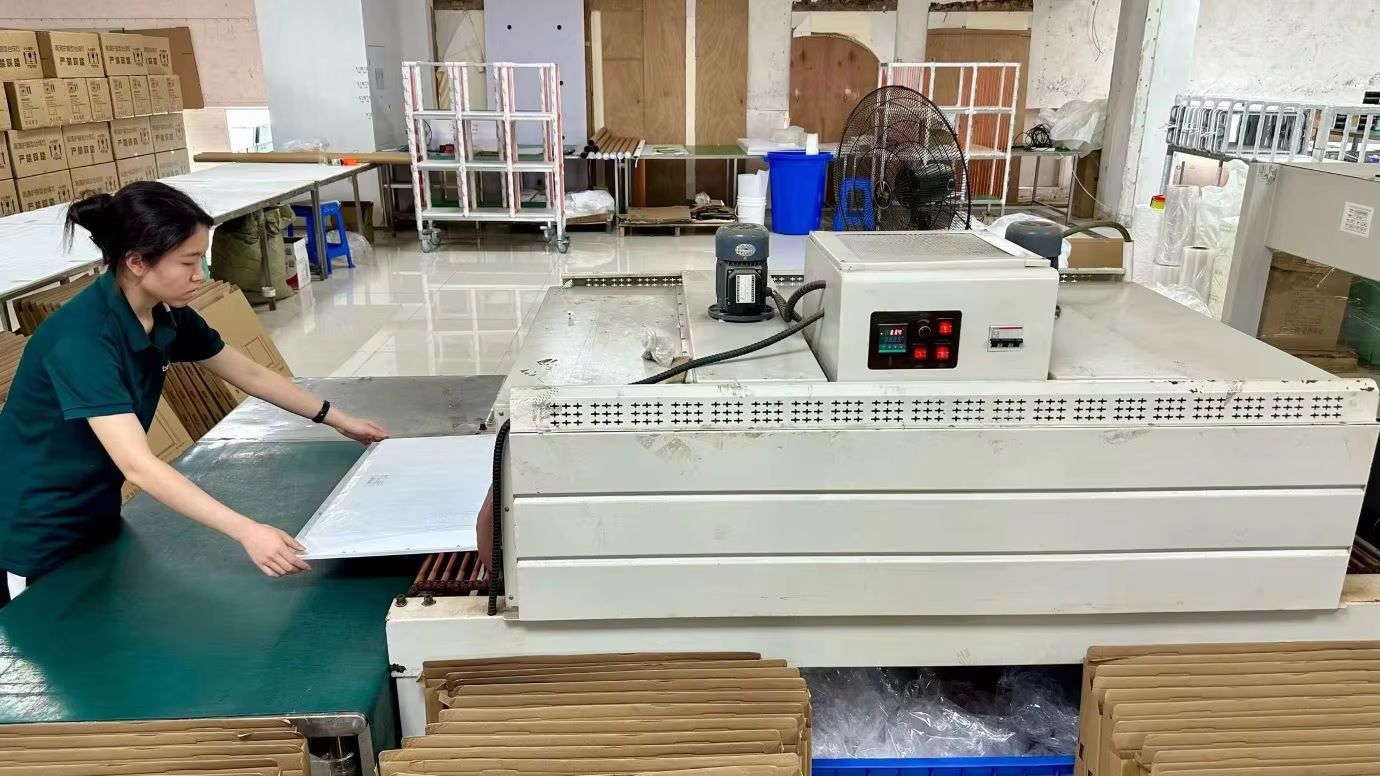
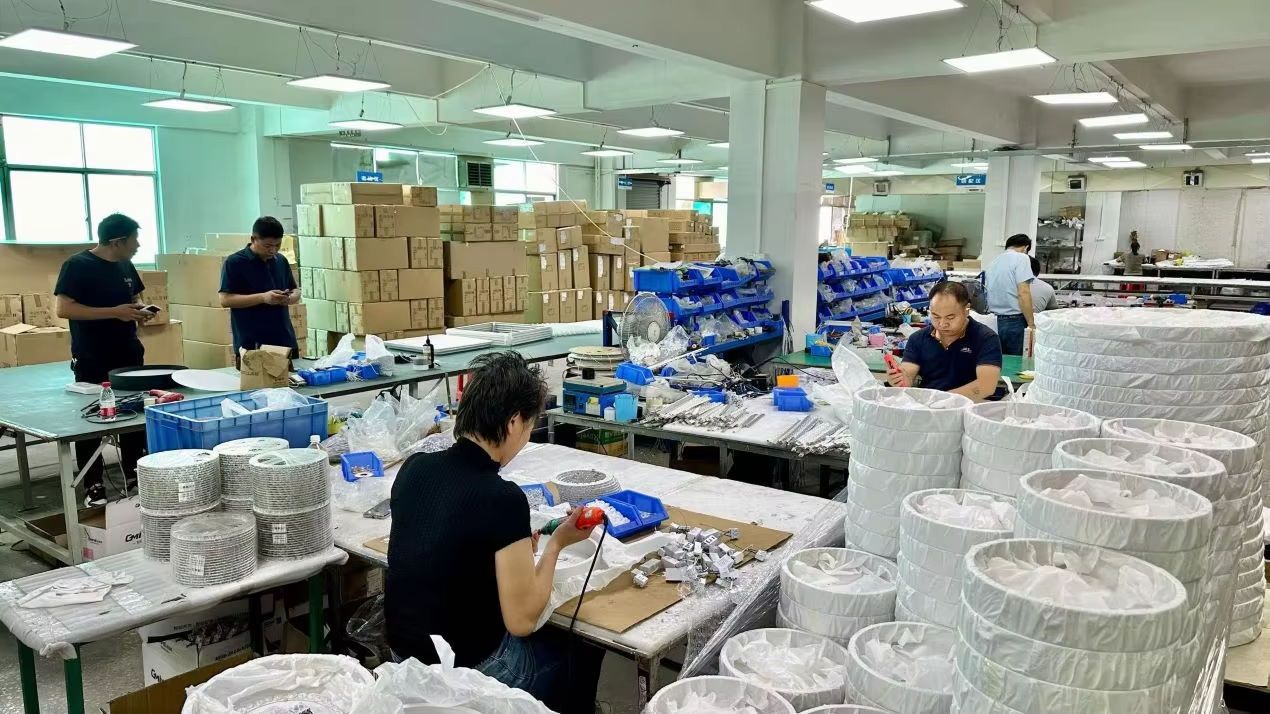
By strictly adhering to the ISO9001 Quality Management System and performing multi-stage aging and corrosion-chamber tests, Xolle Light ensures that every batch meets the requirements of global partners. Their products carry certifications such as CE, RoHS, FCC, and UL, providing the necessary quality compliance for tenders and construction projects in the Pacific region.
Importing lighting to Kiribati requires attention to specific logistics and compliance details:
To prevent corrosion, we use anodized AL6063 aluminum alloy profiles coated with specialized anti-salinity powder finishes. For environments with high humidity and salt spray, we recommend choosing fixtures with an IP54 or IP65 rating, sealed drivers, and 304/316 stainless steel mounting hardware.
Yes, our smart geometric lights are compatible with solar microgrids. By utilizing low-power Zigbee 3.0 or BLE Mesh protocols, users can program dimming schedules (e.g., dimming to 30% after 10 PM). This helps reduce overnight battery draw and extends the life of solar storage systems.
Goods are shipped from our factory in Zhongshan, consolidated at Shenzhen or Guangzhou ports, and routed through transshipment hubs in Fiji or New Zealand. The typical maritime transit time to the Port of Betio (Tarawa) is between 45 and 60 days, depending on shipping schedules. We use export-grade wooden crates and moisture-barrier film packaging to protect the products during transit.
Yes. Our R&D team of over 30 engineers can customize dimensions, finishes, and smart features to meet the specific requirements of hotel, resort, and commercial projects in Kiribati.
Explore our full line of commercial, residential, and industrial luminaires engineered for performance and reliability.
 Xolle Light