Why Are LED Grid Lights Replacing Traditional Shop Lights?

Time:2026-09-18 Author:Amelia
0%

Why are LED grid systems replacing traditional shop lights? The answer begins with changing expectations inside modern retail spaces. Store owners want bright, even illumination without the buzzing, flicker, and frequent tube replacements associated with older fluorescent fixtures. LED grid lights fit standard ceiling layouts, making them practical for aisles, counters, stockrooms, and checkout areas. They also create a cleaner ceiling line, which can make a small shop feel more open.

From hands-on installation experience, the most noticeable difference appears under the lights. Product labels look clearer, shelves receive fewer harsh shadows, and staff can work comfortably during long shifts. Many LED systems offer selectable color temperatures, dimming, and improved optical control. These features help retailers adjust lighting for fresh food, clothing, electronics, or display counters. Lower energy use can also reduce operating costs, although savings depend on fixture quality, operating hours, utility rates, and installation conditions.

The change is not automatic. A poorly designed LED layout may produce glare, uneven brightness, or an overly cold atmosphere. Some low-cost products also perform badly after extended use. Reliable decisions require checking light output, color rendering, driver quality, warranty terms, and local electrical requirements. Professional assessment matters, especially when replacing a large ceiling grid.

Traditional shop lights still have limited advantages, including familiar maintenance routines and lower initial prices in some cases. Yet their weaknesses become more visible as energy targets, customer expectations, and workplace comfort receive greater attention. This article examines the practical reasons behind the transition, while recognizing that LED grid lighting is not a perfect solution for every shop.
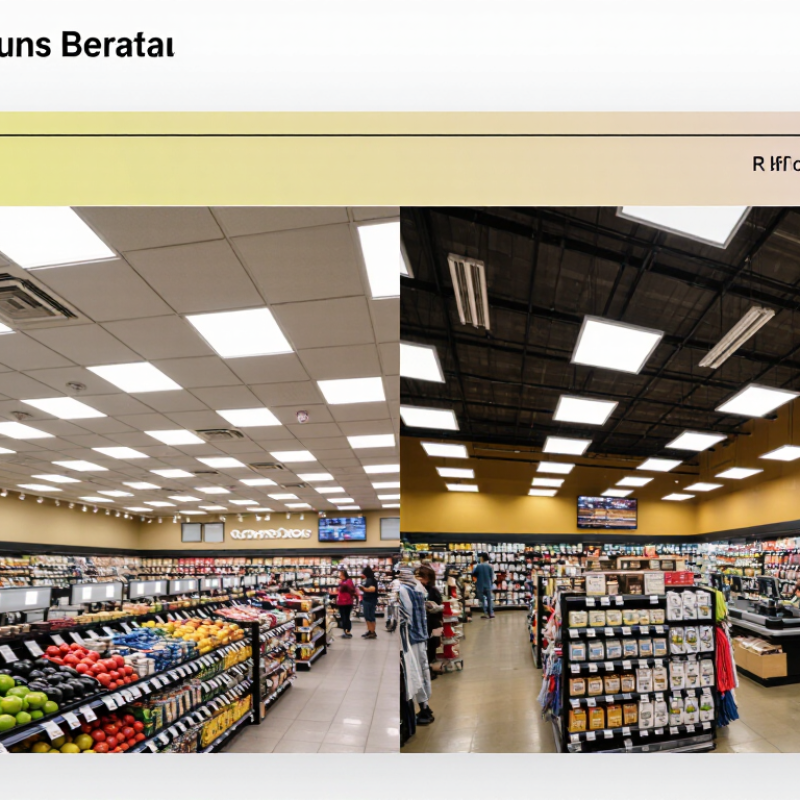
Why Are LED Grid Lights Replacing Traditional Shop Lights?

What Are LED Grid Lights?

What Are LED Grid Lights?

LED grid lights are ceiling fixtures built with an organized pattern of LED modules. They commonly fit suspended ceilings with 2-by-2 or 2-by-4-foot panels. Their flat shape creates a clean, even appearance. Inside, lenses or reflectors distribute light across desks, aisles, and display areas. The grid structure can reduce harsh shadows when properly selected.

In a typical shop, these lights sit inside the ceiling framework. The visible panel looks simple, but its performance depends on several details. Beam angle, color temperature, glare control, and flicker all affect daily comfort. A cool white setting can make shelves look crisp. It may also feel unpleasant in a small room. That trade-off is easy to overlook.

LED grid lights usually use less electricity than older fluorescent fixtures. They also start instantly and need fewer lamp replacements. However, savings are not automatic. Poor spacing can leave dark patches between aisles. Excessive brightness can create reflections on glass counters. During installation, electricians should check wiring, mounting security, and local electrical requirements. A reliable product should provide clear photometric data, safety information, and a realistic service warranty. Even then, specifications do not replace an on-site lighting test.

Why Are LED Grid Lights Replacing Traditional Shop Lights?

What Are LED Grid Lights?

LED grid lights are recessed or surface-mounted fixtures that use an LED panel or grid-style optical design to distribute uniform light across offices, retail spaces, classrooms, and workshops. For a representative 4,000-lumen fixture, LED grid lights can use less power and provide a longer rated life than traditional fluorescent shop lights. Actual performance varies by fixture design, operating conditions, and installation.

How Do LED Grid Lights Compare with Traditional Shop Lights?

When comparing LED grid lights with traditional shop lights, the first difference appears above the sales floor. LED grids spread light through a regular ceiling pattern, while fluorescent shop lights often create bright strips and darker gaps. In a 900-square-foot store, a well-planned grid can reduce shadows around shelves and checkout counters. The result feels calmer. However, brighter is not automatically better. Poor spacing can produce glare on glossy packaging, especially at eye level.

LED systems usually use less electricity and offer longer service intervals than fluorescent fixtures. Actual savings depend on wattage, operating hours, and existing wiring. A meter reading is more trustworthy than a sales estimate. LEDs also start instantly in cold rooms, while some fluorescent lamps hesitate or flicker. That matters in storage areas and early-morning shops. Good fixtures should provide even color, suitable color rendering, and controlled glare. Cheap drivers can undermine those benefits.

Traditional shop lights still have a practical advantage: replacement parts may be familiar and inexpensive. Their light can also feel softer in older interiors. Yet tubes require careful disposal, and frequent changes interrupt work. I have seen LED retrofits fail because installers ignored ceiling height or aisle direction. The fixture was efficient, but the merchandise looked flat. A small trial area is wiser than changing every fitting at once. Results can vary after cleaning, rearranging shelves, or adding daylight.

Why Are LED Grid Lights Replacing Traditional Shop Lights?

Comparison Dimension LED Grid Lights Traditional Shop Lights Practical Result
Typical Energy Use Approximately 25–45 watts for a common 2 ft × 4 ft commercial panel, depending on light output and design. Approximately 64–128 watts for a typical 2-lamp or 4-lamp fluorescent fixture, excluding some ballast losses. LED grid lights generally use less electricity for comparable light output.
Useful Service Life Commonly rated for about 50,000–100,000 operating hours before reaching the rated lumen-maintenance threshold. Fluorescent lamps commonly provide about 15,000–30,000 hours, while ballasts may require separate replacement. Longer service life can reduce relamping frequency and maintenance labor.
Light Output Many commercial panels produce roughly 3,000–6,000 lumens, depending on wattage, optical design, and ceiling height. Output varies widely, but common fluorescent shop fixtures may provide roughly 4,000–8,000 lumens per fixture. Both can provide adequate illumination; layout and fixture efficiency are important.
Color Rendering Commercial products are commonly available with a CRI of 80 or higher; higher-CRI versions are also available. Standard fluorescent lamps often have a CRI around 70–85, although specialized lamps can be higher. LEDs offer more consistent color options for retail, offices, workshops, and storage areas.
Color Temperature Options Common choices include approximately 3,000 K, 3,500 K, 4,000 K, and 5,000 K. Common choices include warm, neutral, and cool white lamps, but changing color temperature usually requires lamp replacement. LED fixtures provide flexible lighting selection during installation and renovation.
Warm-Up Behavior Reaches full brightness almost immediately in normal operating conditions. May experience delayed starting or reduced output in cold environments, depending on lamp and ballast type. LEDs provide more predictable illumination at startup and in cooler spaces.
Dimming and Controls Many models support 0–10 V dimming, occupancy sensors, daylight harvesting, or other control systems when specified. Control compatibility depends on the ballast, lamp type, and installed wiring; upgrades can be more complex. LED systems are generally easier to integrate with modern lighting controls.
Flicker and Visual Comfort Well-designed commercial LEDs can provide low-flicker operation, but performance depends on the driver design. Fluorescent systems may produce visible or stroboscopic flicker, especially with older magnetic ballasts or failing lamps. A properly specified LED driver can improve visual comfort and reduce distracting flicker.
Directional Light Distribution Optical lenses and diffusers direct light efficiently toward the work plane and can help limit glare. Light distribution depends on the reflector, lamp shape, and diffuser; more light may be lost inside the fixture. LED grid fixtures can provide more controlled and uniform illumination.
Maintenance Requirements Usually requires periodic cleaning and eventual fixture replacement or LED module/driver service. Requires periodic lamp replacement, ballast maintenance, cleaning, and safe handling of failed fluorescent tubes. LEDs typically reduce routine maintenance activities.
Environmental Considerations Does not contain mercury in the light source and generally produces less waste through longer operating life. Fluorescent lamps contain a small amount of mercury and should be recycled or disposed of according to local regulations. LEDs simplify end-of-life handling and reduce hazardous-lamp disposal concerns.
Heat and Operating Efficiency Produces less waste heat for the same delivered light in many applications, although every electrical fixture generates some heat. Produces both visible light and heat, with additional losses from the ballast. Lower lighting power can reduce electrical demand and, in conditioned spaces, may reduce cooling load.
Installation Options Available for recessed grid ceilings, surface mounting, suspension, and retrofit applications. Often designed for suspended or surface-mounted installation, with retrofit options depending on the existing fixture. The best choice depends on ceiling construction, wiring, and the condition of the existing system.
Upfront Cost Usually higher than a basic fluorescent fixture when comparing purchase price alone. Often lower initial purchase cost, especially for standard fixtures already supported by existing wiring. A life-cycle calculation should include energy, maintenance, labor, and replacement costs.
Payback Potential Energy savings are often greatest in spaces with long operating hours, high electricity rates, or frequent relamping. May remain economical where operating hours are low and existing fixtures are relatively new and efficient. LED conversion is generally more financially attractive in heavily used commercial spaces.

Note: Values are typical industry ranges rather than specifications for a particular product. Actual performance depends on fixture wattage, lumen output, operating hours, ambient temperature, installation height, control strategy, and local electricity rates. A qualified electrician should verify wiring and compatibility before replacement.

Why Are Businesses Switching to LED Grid Lights?

Businesses are switching to LED grid lights because operating costs are easier to control. The U.S. Department of Energy reports that LED lighting can use up to 75% less energy than incandescent technology and last up to 25 times longer. The comparison is not identical for fluorescent shop lights, so managers should avoid exaggerated savings claims. A proper audit should measure wattage, operating hours, and electricity rates.

The savings become visible above a busy sales floor. A 60-watt fluorescent fixture may run for 12 hours daily, creating heat and maintenance work. An efficient LED grid light can provide similar brightness with lower power demand. It also starts instantly, without flicker or warm-up delays. The International Energy Agency identifies lighting as a major electricity-use category worldwide, making efficiency improvements commercially relevant. The U.S. Environmental Protection Agency also notes that certified efficient lighting reduces energy use and replacement frequency.

Installation is often simpler during scheduled maintenance. Workers can replace a ceiling row while shelves remain in place. Better optical distribution may reduce dark corners and improve product visibility. However, poor color quality or excessive brightness can make a store feel harsh. That mistake is easy to overlook. Businesses should check color rendering, glare, dimming compatibility, and emergency-lighting requirements before purchasing. Life-cycle estimates should include installation, controls, disposal, and future maintenance, not only the fixture price.

What Benefits Do LED Grid Lights Provide?

Why Are LED Grid Lights Replacing Traditional Shop Lights?

LED grid lights provide more controlled, comfortable illumination than many traditional shop lights. Their modular layout spreads light across aisles, shelves, and checkout areas. Dark patches become less noticeable.

During shop-floor assessments, installers often measure lux levels before choosing fixture positions. This prevents bright spots over displays and dim corners near storage areas. Good LED grids can also provide high colour rendering, helping clothing, food, and product packaging appear closer to their natural colours. That detail matters to customers.

They usually consume less electricity than older fluorescent systems and need fewer lamp replacements. Fewer maintenance visits can reduce disruption during business hours. Many models also support dimming or occupancy controls, which can lower energy use in low-traffic zones. Still, savings are not automatic. Poor spacing, excessive brightness, or unsuitable colour temperature can make a store feel cold and tiring. I have seen attractive layouts lose their effect because the ceiling grid was treated as a simple replacement job.

A reliable installation considers ceiling height, product colours, glare, emergency lighting, and local electrical requirements. A qualified professional should verify wiring and control compatibility before installation. The best result is not always the brightest one. Sometimes, a slightly softer layout makes shelves easier to browse and faces easier to recognise.

What Should You Consider Before Installing LED Grid Lights?

Before installing LED grid lights, inspect the ceiling rather than ordering fixtures immediately. Measure each room, including ceiling height, grid size, and existing light locations. A 2-by-4-foot panel may not fit an older suspended ceiling. Check the electrical circuit, voltage, and available wiring. A qualified electrician should verify these details before any work begins.

Light quality matters as much as energy use. Choose a suitable color temperature for the shop’s atmosphere and product displays. Neutral white light often supports accurate color judgment without feeling overly harsh. Look for a high color rendering index, especially near clothing, food, or painted surfaces.

Control glare with proper diffusers and careful spacing. Bright panels can still create uncomfortable reflections on glass counters. Test one area first. Customers notice discomfort quickly.

Consider dimming, occupancy sensors, emergency lighting, and local electrical requirements. Not every LED driver works with every control system, so confirm compatibility in writing. Leave access to drivers and junction boxes for future maintenance. Dust, heat, and frequent cleaning can affect performance over time. I once saw a retrofit reduce shadows but make a narrow aisle feel cold and exposed. The lighting plan needed revision. That experience changed how I evaluate brightness: more light is not automatically better. Record measured illuminance after installation, then compare it with the shop’s working needs. An independent lighting professional can help verify the results.

FAQS

What are LED grid lights?

LED grid lights are flat ceiling fixtures arranged in 2-by-2 or 2-by-4-foot patterns. They fit suspended ceilings and spread light across aisles, desks, and displays. Their simple appearance can hide important optical differences.

Why are businesses replacing older shop lights?

LED grid lights usually use less electricity and need fewer replacements. They also start instantly, without warm-up delays. Actual savings depend on wattage, operating hours, electricity rates, and installation costs.

How can LED grid lights improve a shop floor?

Properly positioned fixtures reduce dark patches and harsh shadows. They can make shelves, packaging, and clothing easier to see. A measured layout works better than placing lights by appearance alone.

What does colour temperature affect?

Colour temperature changes how a store feels. Cool white light can make shelves look crisp. In a small room, it may feel cold or uncomfortable. The brightest setting is not always the best choice.

Can LED grid lights reduce maintenance work?

They generally need fewer lamp replacements than older fluorescent fixtures. Maintenance visits may decrease, especially above busy sales floors. Still, controls, wiring, and damaged modules can require attention.

Do LED grid lights always provide energy savings?

No. Savings are not automatic. Poor spacing may require extra fixtures or longer operating times. A basic audit should compare power, daily hours, electricity rates, controls, and maintenance.

What should be checked before installation?

Check ceiling height, wiring, mounting security, glare, colour quality, dimming compatibility, and emergency-lighting requirements. Local electrical rules also matter. A professional should verify the installation before regular use.

How can glare and reflections be controlled?

Select suitable lenses, reflectors, beam angles, and brightness levels. Test the lights near glass counters and glossy packaging. Reflections can appear after installation, even when the ceiling looks evenly lit.

What information should a reliable fixture provide?

Look for photometric data, safety information, control compatibility, and a realistic service warranty. Product specifications help, but they cannot replace an on-site lighting test.

What is an often-overlooked installation mistake?

Treating the project as a simple fixture replacement is a common mistake. A visually attractive ceiling may still create tired eyes or dim corners. Sometimes, softer light works better.

Conclusion

LED grid lights are modern ceiling fixtures designed with a structured layout that distributes light evenly across large indoor spaces. Unlike traditional shop lights, they typically provide more consistent brightness, improved visual comfort, and a cleaner appearance while using less energy. The key question, “why are led grid systems replacing traditional shop lights,” can be answered through their combination of efficiency, flexibility, and long-term practicality. Businesses are increasingly choosing them to create brighter, more professional environments without relying on excessive electricity consumption.

LED grid lights can offer longer service life, reduced maintenance, better light distribution, and improved compatibility with controls such as dimming or occupancy sensors. They may also help reduce glare and dark areas, making shops, offices, warehouses, and other commercial spaces more comfortable and functional. Before installation, businesses should evaluate ceiling dimensions, brightness requirements, color temperature, wiring conditions, installation costs, and local electrical standards. Choosing the right layout and lighting specifications ensures the upgrade delivers both immediate improvements and lasting value.

Amelia

Amelia

Amelia is a seasoned marketing professional with a wealth of expertise in our company’s core offerings. With an unwavering passion for driving growth and innovation, she plays a pivotal role in shaping our marketing strategies and enhancing brand visibility. A key aspect of her responsibilities......