Garage LED grid lights have gained popularity due to their efficiency and bright illumination. But how much power do garage LED grid lights use? This question has implications for energy savings and monthly bills. Leading lighting expert Dr. Emily Carter states, "Understanding energy consumption is key to making informed choices."
Garage LED lights typically consume much less energy than traditional bulbs. They can provide substantial illumination while using fewer watts. However, specifics can vary based on the design and wattage of the fixtures. Dr. Carter further emphasizes, "The right LED light can save homeowners significant energy costs."
Many consumers underestimate the long-term benefits of switching to LED. While the initial investment can seem high, the energy savings are notable. It’s crucial to evaluate different models to find optimal choices that save both power and money. Consumer education is essential. Misinformation still exists, leading some to overlook the advantages of these modern lighting solutions. By addressing these questions, we can make smarter choices for our garages and our environment.
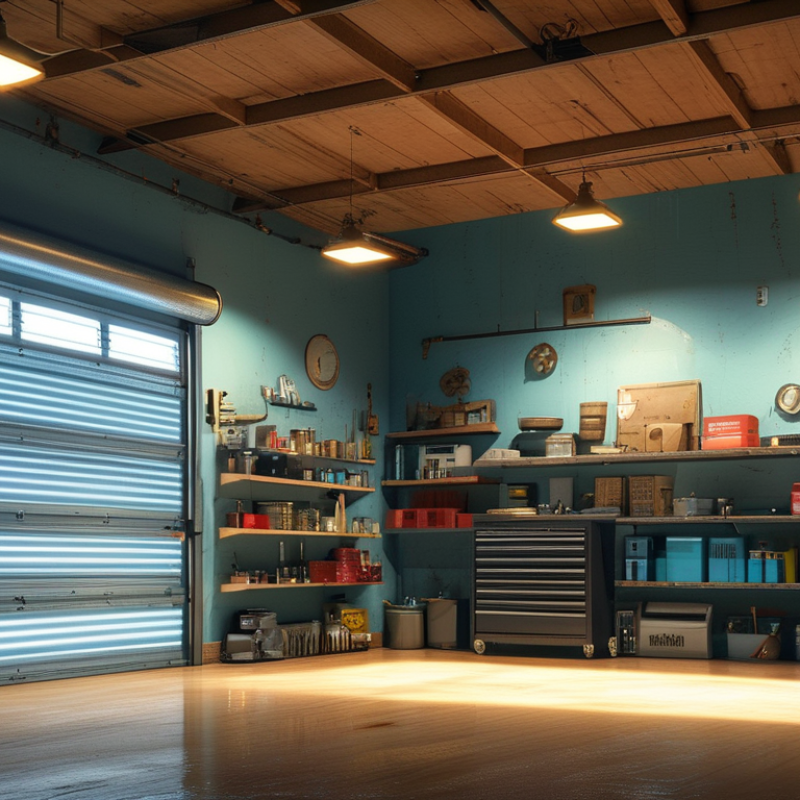
Garage LED grid lights have gained popularity for their energy efficiency and bright lighting. Understanding their operation is essential for anyone considering them. These lights use advanced LED technology, which significantly reduces power consumption compared to traditional fluorescent fixtures. LED grid lights can produce the same brightness as older models but use only a fraction of the energy.
When discussing power usage, it’s important to note that not all LED lights are created equal. Some may promise high lumens per watt but can fall short in real-world applications. Users should check wattage and lumen ratings to ensure they meet their specific lighting needs. A higher wattage does not always equate to better performance. Additionally, installation practices can affect energy efficiency. Poorly installed lights can lead to wasted energy, showing the importance of proper setup.
Lastly, it's worth noting that while these lights have a longer lifespan, they aren’t immune to failure. Regular checks and maintenance are necessary. Users often overlook minor issues that can impact performance. By being proactive, one can enjoy the benefits of LED grid lights without unexpected drawbacks.
| Fact No. | Description | Average Power Consumption (W) | Lifespan (Hours) | Energy Efficiency Rating |
|---|---|---|---|---|
| 1 | Low Power Consumption Compared to Traditional Bulbs | 40 | 50,000 | A+ |
| 2 | Instant Brightness Without Warm-Up Time | 50 | 50,000 | A+ |
| 3 | Lower Heat Emission for Safety | 30 | 50,000 | A++ |
| 4 | Dimmable Options for Various Settings | 45 | 30,000 | A+ |
| 5 | Multiple Color Temperature Options Available | 55 | 50,000 | A+ |
| 6 | Environmentally Friendly with No Hazardous Materials | 40 | 50,000 | A+ |
| 7 | Versatile Installation Options Available | 50 | 30,000 | A+ |
| 8 | Longer Lifespan Reduces Replacement Frequency | 35 | 50,000 | A++ |
| 9 | Visual Appeal with Sleek Designs | 60 | 30,000 | A+ |
| 10 | Cost-Effective Solution for Large Spaces | 45 | 50,000 | A+ |
: Garage LED grid lights are energy-efficient lighting fixtures that provide bright illumination using advanced LED technology.
They consume up to 75% less energy than incandescent bulbs, offering significant savings on utility bills.
LED grid lights can last over 25,000 hours, compared to about 1,000 hours for traditional bulbs.
Factors include wattage, duration of use, and ambient temperature, all impacting electricity consumption.
No, higher wattage doesn't always mean better performance. It's vital to check both wattage and lumen ratings.
Yes, despite their long lifespan, LED lights can fail. Regular checks and maintenance are important to ensure performance.
Poor installation can waste energy. Proper setup is crucial for maximizing efficiency in LED grid lights.
Many follow habits, leading to higher bills and more replacements. Awareness of alternatives is essential for change.
Yes, a higher lumen count ensures adequate brightness, especially in workspaces like garages.
Ignoring maintenance can lead to minor issues impacting performance, possibly diminishing the benefits of LED technology.
Garage LED grid lights have become an essential lighting solution due to their energy efficiency and versatility. Understanding garage LED grid lights involves recognizing their advantages over traditional lighting, particularly in terms of power usage. A critical question many consumers consider is, "how much power do garage LED grid lights use?" This depends on key metrics such as wattage and lumens provided, which are crucial for determining their overall efficiency.
Several factors influence the power consumption of LED grid lights, including the quality of materials, design, and installation conditions. To maximize their benefits, users can implement various tips to reduce power costs, such as using motion sensors, dimmers, and optimizing the number of fixtures installed based on the garage size. By carefully evaluating these elements, one can achieve substantial savings while enjoying enhanced visibility in their garage space.

 Xolle Light