In recent years, polygonal LED lights have gained popularity for various applications, including workshops. A common question arises: are polygonal LED lights bright enough for workshop tasks? According to expert James R. Vance, a lighting designer with over a decade of experience, “The right lighting transforms a workspace.” His insight emphasizes the critical need for effective illumination in such environments.
The brightness of polygonal LED lights can vary. Some models provide intense luminosity, while others may fall short. Workshops often require high levels of brightness to ensure precision in tasks like woodworking or metalworking. The design of polygonal lights also plays a role in light distribution. Compared to traditional fixtures, these lights can offer unique advantages. However, potential users must consider their specific needs.
Users should be aware that not all polygonal LED lights are created equal. While some brands excel in delivering sufficient brightness, others may disappoint. It's essential to evaluate factors such as lumens, color temperature, and beam angle. Engaging in discussions with industry experts can provide clarity on making informed choices about lighting options for workshop tasks.
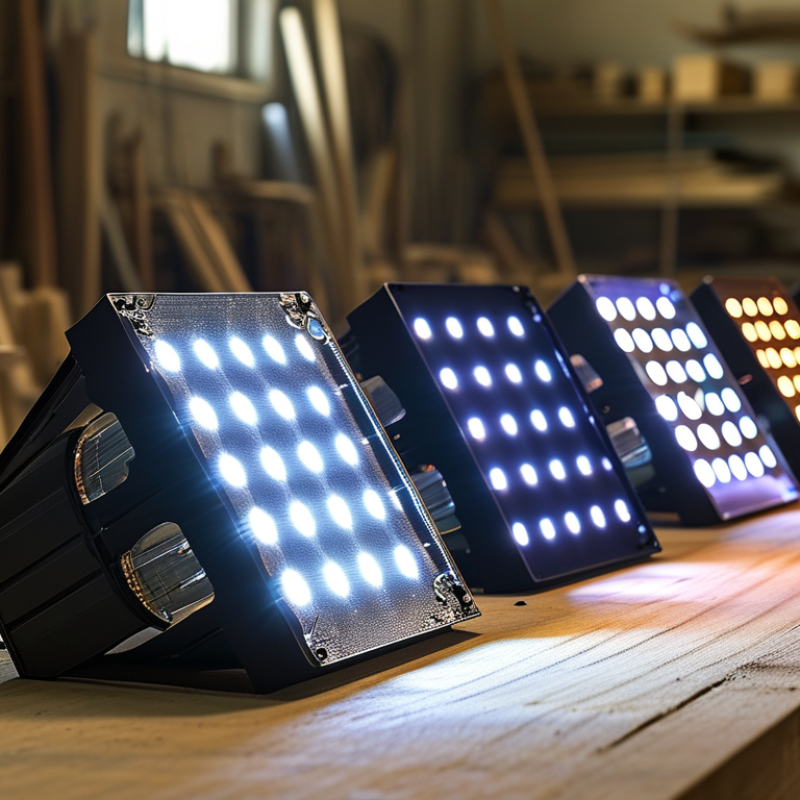
Polygonal LED lights offer a unique design that fits various workshop environments. These lights are typically more efficient than traditional lighting options. They provide bright, even illumination, which is crucial for tasks like woodworking or metalworking. Their modern design also lends an aesthetic quality to any workspace.
When selecting polygonal LED lights, consider the brightness level. Aim for at least 800 to 1000 lumens for detailed work. Consider where you will place the lights. Overhead installation is common but side lighting can also enhance visibility. Ensure fixtures are well-distributed to eliminate shadows.
Tips: Always test lights before full installation. This helps to understand their effectiveness in your unique space. Check for energy efficiency ratings too; this will save money in the long run. Regularly assess the performance of your lighting. This can prevent future issues and ensure optimal brightness in your workshop.
When considering the use of polygonal LED lights for workshop environments, brightness levels are a key factor. Workshops require adequate lighting for safety and productivity. These LED lights can produce impressive lumens, but brightness can vary significantly based on design and installation.
In a typical workshop setup, shadows and uneven lighting can pose challenges. For example, if the lights are positioned incorrectly, dark spots may occur, affecting visibility. It’s important to assess how the light spreads across the workspace. LEDs with a higher lumen output are generally more suitable for detailed tasks. However, some polygonal designs can create concentrated lighting, which may not illuminate the entire area effectively.
Direct comparisons can provide valuable insights. For a 500-square-foot workshop, 3000 to 5000 lumens are often recommended. Polygonal LED lights may not always meet this standard, especially if the lighting is focused in specific areas. Therefore, it is crucial to evaluate the light distribution and number of fixtures needed. This ensures that every corner of the workshop is sufficiently lit, minimizing potential hazards and enhancing work efficiency. Choosing the right lighting may require experimentation with different configurations to find the most effective solution.
Polygonal LED lights have gained popularity in workshops due to their compact design and energy efficiency. Their lifespan is a critical factor for many users. Research shows that high-quality LED lights can last up to 25,000 hours. This is significantly longer than traditional incandescent bulbs, which typically last around 1,000 hours. The longevity of LEDs helps reduce replacement costs and waste.
Energy efficiency is another vital aspect. Studies indicate that LEDs use up to 80% less energy than incandescent bulbs. This reduction in power consumption leads to lower utility bills. For example, an average workshop using 10 LED lights instead of incandescent ones could save hundreds of dollars annually. However, the initial investment might be higher, which can deter some users.
While many find LED lights bright enough, others feel they lack warmth. Depending on the color temperature, some might prefer the softer glow of traditional lights. It's essential to assess your specific lighting needs before making a switch. Consider factors like workspace size and tasks performed. Understanding these nuances is key to a successful lighting upgrade.
| Specification | Value |
|---|---|
| Lumen Output | 2000 - 4000 lumens |
| Energy Consumption | 30 - 60 Watts |
| Lifespan | 25,000 - 50,000 hours |
| Color Temperature | 5000K - 6000K |
| Beam Angle | 120 degrees |
| CRI (Color Rendering Index) | >80 |
| Voltage | 100-240V AC |
| Dimming Capability | Available in select models |
In a workshop environment, lighting plays a crucial role.
Polygonal LED lights are becoming popular for their unique design and functionality. These lights offer a wide spread of illumination, essential for tasks that demand precision and clarity. They can illuminate every corner, reducing shadows and enhancing visibility on work surfaces.
However, the practicality of polygonal LED lights can vary. In areas with large machinery, the brightness may not meet the demands of detailed work. Users often find that while they provide adequate light for general tasks, more powerful options might be necessary for intricate projects. Workshops often have diverse tasks, requiring versatile lighting solutions.
Despite their limitations, polygonal LED lights create a vibrant workspace. They contribute to a modern aesthetic, making the environment inviting. Proper placement enhances their effectiveness, and experimenting with different configurations can yield satisfying results. As you consider them, think about your specific needs. Sometimes, the brightest option isn’t the best fit for every application.
Polygonal LED lights are increasingly popular in workshops. They offer versatility and modern aesthetics. User testimonials highlight varying brightness levels. Some users appreciate the bright, focused light under their workbench, while others find it insufficient for detailed tasks.
According to a report by the Lighting Research Center, effective workshop lighting should provide at least 300 to 500 lux. Many polygonal LED fixtures reach this benchmark. However, reports suggest that in larger spaces, users may struggle with inconsistent brightness. Reflective surfaces can amplify this issue, leading to shadows.
Expert opinions emphasize the importance of light distribution. While polygonal designs are sleek, coverage can be uneven. Users note that adding multiple fixtures or combining with task lighting improves visibility. Some workshops benefit from a layered approach to lighting, ensuring all areas are adequately illuminated. The feedback points to a need for further innovation in design to enhance functionality.
: Polygonal LED lights have a unique design suitable for various workshop environments. They are efficient and provide bright, even illumination.
Aim for 800 to 1000 lumens for detailed work. This ensures adequate visibility in your workspace.
Consider overhead installation and side lighting to enhance visibility. Proper placement prevents shadows and dark spots.
Dark spots often happen with improper positioning. Assess light distribution and adjust fixtures as needed.
Regularly check the performance of your lighting. This helps to identify issues early and maintain brightness.
Many polygonal LED lights have good energy efficiency ratings. This can lead to cost savings over time.
Users have reported challenges in larger spaces. Ensure sufficient lumens and consider multiple fixtures for consistent brightness.
Yes, testing lights helps understand their effectiveness in your space. It’s a good practice before full installation.
Light distribution refers to how light spreads across a space. Uneven coverage can lead to visibility issues in the workshop.
Combining polygonal lights with task lighting can improve visibility. A layered approach ensures all areas are well-lit.
In recent discussions surrounding effective workshop lighting, a key question arises: are polygonal LED lights bright enough for workshop tasks? This article provides an overview of polygonal LED lights, highlighting their unique features such as customizable shapes and efficient light dispersion. A comparative analysis reveals that these lights can achieve adequate brightness levels that cater to various workshop activities, ensuring visibility and enhancing productivity.
Additionally, the article assesses the energy efficiency and lifespan of polygonal LED lights, emphasizing their long-term cost benefits. Practical applications are explored, demonstrating their versatility in different workshop environments. User testimonials and expert opinions further support the efficacy of polygonal LED lights, indicating that they not only meet brightness requirements but also contribute to a safer and more efficient workspace.

Xolle Light