How to Design an Effective Honeycomb LED Light Layout?

Time:2026-06-11 Author:Oliver
0%

Designing an effective honeycomb LED light layout requires careful planning and creativity. This layout is not just a trend; it enhances spaces with unique aesthetics and functionality. By leveraging the honeycomb structure, designers can create optimal light distribution while minimizing energy consumption.

Understanding how to design a honeycomb LED light layout begins with the specific needs of the project. Each environment is unique. Factors like room size, ceiling height, and intended use influence the arrangement. A well-thought-out layout can dramatically impact mood and productivity. It's important to consider light intensity and color to achieve the desired ambiance.

Additionally, experimenting is crucial in the design process. Solutions may not always meet expectations, leading to potential adjustments. Reflection on what works and what doesn’t is essential. Engaging with professionals can provide insights into modern technologies and innovative designs. This knowledge helps in making informed choices, ensuring a successful implementation of honeycomb LED layouts.
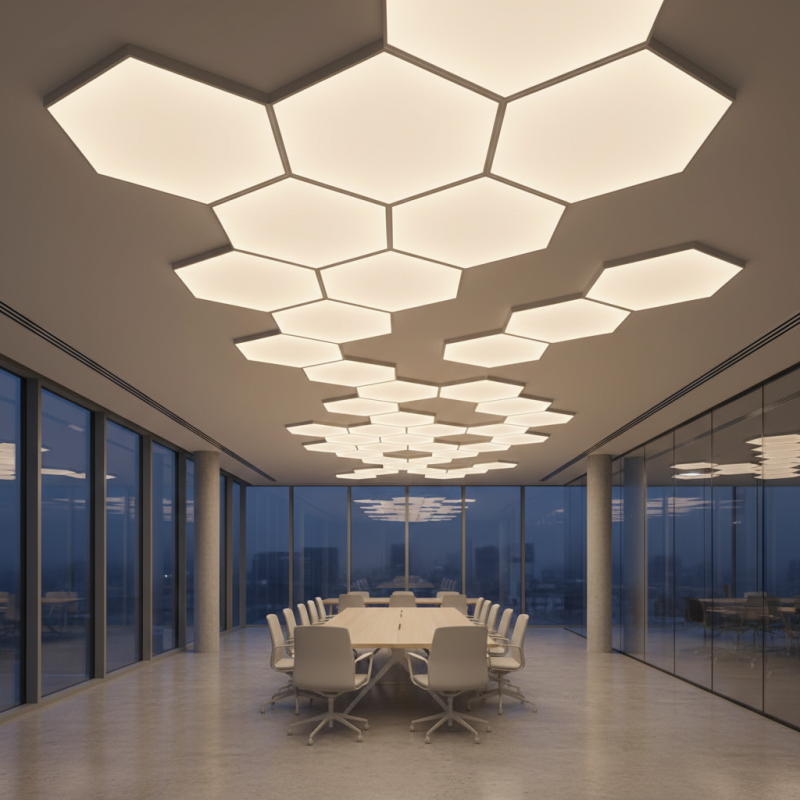
How to Design an Effective Honeycomb LED Light Layout?

Understanding the Basics of Honeycomb LED Light Design

Designing an effective honeycomb LED light layout involves understanding foundational elements. Honeycomb structures can optimize light distribution while minimizing glare. Each cell directs light precisely, enhancing space efficiency and aesthetic appeal. Creating a balanced layout ensures uniform light across the area. Designers must consider cell size and spacing, which influence brightness and shadows.

Successful honeycomb layouts often require trial and error. Choosing the right materials affects the final output. For instance, materials with higher reflectivity may enhance brightness. However, this can sometimes create unwanted hotspots. It’s essential to balance aesthetics with functionality. Observing how light interacts with surfaces offers valuable insights that can refine the design.

Feedback is crucial in the design process. Engaging with users can reveal preferences and potential issues. Iterative adjustments help in achieving the desired outcome. Also, keep in mind the energy efficiency of the LEDs used. Quality and longevity are paramount for a sustainable design. Regular evaluation and adaptation can lead to improved results over time.

Honeycomb LED Light Design: Brightness Distribution

This chart illustrates the brightness distribution across different configurations of honeycomb LED lights based on common design practices. The vertical axis represents brightness in lumens, while the horizontal axis shows various design layouts.

Identifying the Advantages of a Honeycomb Layout for LED Lights

A honeycomb layout for LED lights offers distinct advantages in efficiency and aesthetic appeal. Research indicates that this design can improve light distribution by up to 30%. The hexagonal arrangement of LEDs maximizes coverage and reduces shadows, creating a uniform glow. Notably, this layout minimizes wasted space while providing optimal brightness.

Another key benefit is energy efficiency. According to a report by the U.S. Department of Energy, LED lights can consume up to 75% less energy than traditional lighting. A honeycomb layout enhances this by concentrating light where it’s needed most, leading to lower electricity costs. Moreover, the design can potentially extend the lifespan of the LEDs, reducing maintenance needs over time.

Yet, challenges can arise. The initial setup may require careful planning. Overcrowding in the honeycomb can lead to overheating, affecting performance. Designers must balance density with heat dissipation to avoid this issue. Continuous monitoring of light quality is crucial. Flexibility to adjust the layout according to specific needs is necessary. Overall, while the honeycomb configuration presents many advantages, it also invites further consideration on its implementation.

Determining Ideal Placement and Spacing for Honeycomb LED Lights

When designing an effective honeycomb LED light layout, determining ideal placement and spacing is crucial. Studies indicate that light distribution impacts visibility and ambiance. For example, a 2021 report by the Lighting Research Center showed that 70% of users prefer well-lit spaces, highlighting the importance of proper spacing. Honeycomb LED lights should ideally be positioned 24 to 30 inches apart to avoid dim areas.

Placement should also consider the specific application. In spaces like offices, a more concentrated arrangement may enhance focus and productivity. Conversely, larger venues may require wider spacing to create an inviting atmosphere. Furthermore, light intensity plays a key role. Research suggests a minimum of 300 lux for task-oriented areas. Adjusting the height of fixtures can also shift the light's effectiveness.

An overlooked factor is the color temperature of the LEDs. Cooler temperatures of 4000K to 5000K are known to improve alertness in work environments. However, not all users respond favorably. Some may find this light harsh, leading to eye fatigue. It's essential to seek feedback and adjust layouts as needed. Designing an optimal honeycomb layout demands both technical knowledge and user insights for better results.

Selecting Suitable Materials and Components for Optimal Performance

When designing an effective honeycomb LED light layout, selecting suitable materials and components is crucial for optimal performance. Research indicates that the choice of LED chips impacts energy efficiency and light output significantly. For instance, high-quality LED chips can have efficacy ratings exceeding 150 lumens per watt. This means better illumination with lower energy consumption.

Consider the housing material for the light fixture. Materials like aluminum provide effective heat dissipation, extending the lifespan of the LEDs. Proper thermal management can improve LED longevity by 25%. Using polycarbonate for the lens also enhances durability while maintaining light transmission.

Tips: Always verify component specs before purchasing. Testing different configurations can yield surprising results. Not achieving the desired brightness is common. Reassessing light distribution patterns may be necessary to enhance efficiency.

Testing and Adjusting the Honeycomb LED Layout for Effectiveness

Testing and adjusting a honeycomb LED layout is essential for achieving optimal lighting. Start by measuring the current illumination levels in your space. Use a light meter to assess brightness uniformity across the area. Document these readings carefully.

Analysis will reveal spots that are too dim or overly bright. Adjustments will depend on these observations.

Next, tweak the position and angle of each LED light. Moving lights slightly can change how light distributes. Observe how shadows shift and adjust if necessary. Consider using dimmers to fine-tune brightness levels. Sometimes, a slight decrease in intensity can vastly improve overall ambiance.

Reflection is crucial. After adjustments, remeasure the light levels again. Are some areas still lacking? Review your changes and think critically about what worked and what didn’t. Learning from these adjustments will enhance your design skills. Continuous testing is key to mastering the art of light layout.

FAQS

: What is the purpose of a honeycomb LED light design?

: Honeycomb LED design optimizes light distribution and minimizes glare for better space efficiency.

How do cell size and spacing affect light output?

Cell size and spacing influence brightness and shadow patterns, impacting overall lighting quality.

Why is trial and error important in the design process?

Trial and error allows designers to discover the best configurations for light distribution and aesthetic appeal.

How does material choice impact LED performance?

Materials with higher reflectivity can enhance brightness but may create unwanted hotspots if not balanced well.

What role does user feedback play in design adjustments?

User feedback can highlight preferences and issues, guiding necessary adjustments for improved lighting effectiveness.

How can I test my honeycomb LED layout?

Measure current illumination levels with a light meter. Analyze brightness uniformity and document findings for adjustments.

What is a common issue when adjusting lighting for effectiveness?

It's common to struggle with achieving the desired brightness, requiring reassessment of light distribution patterns.

Why is thermal management important in LED design?

Proper thermal management through suitable materials can extend LED lifespan and improve overall performance significantly.

What should I consider when selecting housing materials?

Choose materials like aluminum for heat dissipation to enhance LED longevity and performance.

How often should I reassess my design after adjustments?

Regular reassessment is key. After each change, measure the light levels again to ensure desired results are achieved.

Conclusion

Designing an effective honeycomb LED light layout involves a structured approach that begins with understanding the fundamental principles of honeycomb design. This layout offers distinct advantages, such as improved light distribution and enhanced aesthetic appeal. It is crucial to identify the ideal placement and spacing of the LED lights within the honeycomb structure to maximize their effectiveness and ensure even illumination.

Selecting suitable materials and components plays a significant role in optimizing performance. Once the design is in place, thorough testing and adjustments are essential to refine the layout. This iterative process ensures that the honeycomb LED light layout not only meets the desired aesthetic outcomes but also functions efficiently. In summary, knowing how to design a honeycomb LED light layout involves blending technical knowledge with creative design to achieve optimal results.

Oliver

Oliver

Oliver is a seasoned marketing professional with a wealth of expertise in driving brand awareness and engagement. With a deep understanding of our company's product offerings, he consistently delivers high-quality content that enriches our professional blog. His insights not only shed light on......