How to Choose the Right Color Temperature for Inspection Lights?

Time:2026-07-20 Author:Liam
0%

Choosing the right color temperature for inspection lights is crucial for accurate results. According to lighting expert Dr. Sarah Thompson, “The right color temperature can drastically improve visibility and reduce eye strain.” Her insights highlight the importance of understanding how to choose the right color temperature for inspection lights.

Different tasks may require specific color temperatures. For example, warmer lights (around 3000K) can create a cozy atmosphere but may not reveal all details. On the other hand, cooler lights (between 5000K and 6500K) mimic daylight and enhance color accuracy. This can be particularly vital in fields such as automotive or electronics inspections.

Consider the environment where the lights will be used. The surroundings can affect the perceived color temperature. This complexity shows that honing the skill of selecting the right color temperature is essential. Each application may come with its own set of challenges. Being aware of these factors can lead to better decision-making in lighting choices, fostering both accuracy and comfort in inspections.
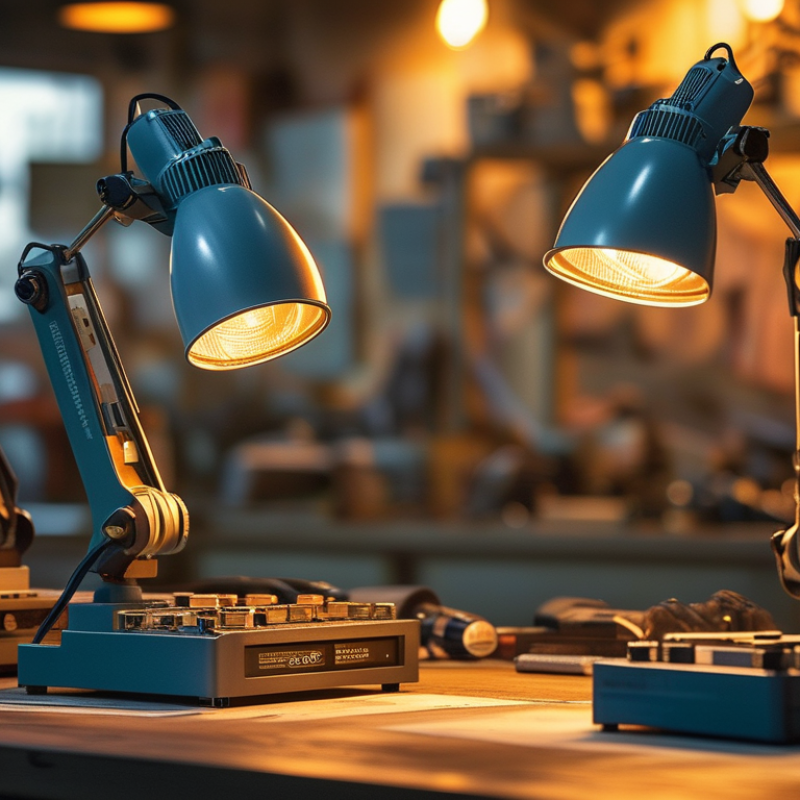
How to Choose the Right Color Temperature for Inspection Lights?

Understanding Color Temperature: A Key Factor in Inspection Lighting

When considering inspection lighting, understanding color temperature is crucial. Color temperature is measured in Kelvin (K). It defines how light appears. Warmer lights (around 3000K) give a soft, yellowish glow. Cooler lights (5000K and above) emit a bluish tint. This change can affect visibility and detail in what you are inspecting.

Selecting the right color temperature can be challenging. Each scenario may require a different approach. For example, in automotive inspections, a cooler light can reveal flaws more clearly. However, in art restoration, warmer light helps in evaluating colors accurately. It is essential to balance clarity and comfort.

Sometimes, mistakes happen. You might choose a color that looks good but does not serve your purpose. Experimenting with various temperatures provides valuable insights. Reflecting on past choices can guide future decisions effectively. The right lighting can significantly elevate the inspection process.

The Importance of Color Rendering Index (CRI) for Accurate Inspections

In inspection lighting, the Color Rendering Index (CRI) is a critical factor. A higher CRI means colors appear more true to life under the light source. For accurate inspections, especially in fields like quality control, a CRI above 90 is often preferred. According to industry reports, lighting with a CRI of 80-85 may not provide sufficient accuracy for color-sensitive tasks.

Many inspectors rely on a significant understanding of how color temperature affects visibility. A cooler light, around 5000K to 6500K, can enhance clarity and reveal defects that warmer lights may obscure. However, not all tasks might benefit from this approach. Warmer lights may help mitigate glare while providing adequate contrast for detailed inspection.

Nevertheless, the choice of color temperature is not universally optimal. In some cases, lighting that is too cool may distort the perception of color in materials, leading to potential oversights. Industry experts note that it’s essential to balance CRI with color temperature to ensure precision without sacrificing visual comfort. Providing adequate training in lighting choice can lead to better outcomes, reducing risks in inspections.

Recommended Color Temperatures for Various Inspection Applications

Choosing the right color temperature for inspection lights is crucial. Different applications require different lighting conditions. For instance, a color temperature of around 5000K to 6000K is ideal for automotive inspections. This range mimics natural daylight, revealing colors accurately. It helps to detect minute flaws on paint surfaces.

In contrast, environments where precision is key, such as electronics inspections, benefit from a cooler light temperature, around 6500K. This cooler light accentuates contrasts and makes small discrepancies more visible. However, using excessively cool light can sometimes lead to eye strain. Moderation is key to maintaining comfort during prolonged use.

On the other hand, warm color temperatures, like 3000K, can be effective in woodworking inspections. This warmer light highlights the natural beauty of wood grains, making defects easier to detect. But it may not reveal all flaws adequately in other materials. It illustrates the need to evaluate the specific requirements of each inspection task and adjust the lighting accordingly.

Impact of Ambient Light on Color Temperature Selection

Ambient light plays a crucial role in choosing the right color temperature for inspection lights. The surrounding light affects how we perceive colors. Cooler color temperatures, like 5000K, can create an artificial look in a room filled with warm yellows and oranges. This discrepancy can lead to misinterpretation of colors and details during inspections.

In environments with varying light sources, it is essential to consider the existing illumination. For example, in a workshop with fluorescent lights, a neutral white light could provide more accurate readings. However, using an overly cool light can lead to confusion, making it hard to distinguish between similar shades. Reflect on how different spaces might require adjustments in color temperature for optimal visibility and accuracy.

Selecting the right color temperature is not just about aesthetics. It's about functionality and clarity. Each environment presents challenges that require thoughtful decisions. For instance, warmer light can enhance mood but may compromise detail recognition. Balancing these elements is crucial in ensuring effective inspections and minimizing errors in evaluation.

Best Practices for Evaluating Inspection Lighting Performance

Choosing the right color temperature for inspection lights can greatly impact lighting performance. Evaluating inspection lighting requires careful consideration of various factors. It’s essential to understand how color temperature affects clarity and accuracy in inspections.

When assessing lighting, observe how different color temperatures illuminate surfaces. Warmer temperatures may create softer shadows, while cooler temperatures offer sharper details. It's important to try various light settings to determine which enhances visibility best in your specific environment.

Tip: Always test lights in real inspection scenarios. This allows you to see their performance firsthand. Another aspect to consider is the uniformity of light distribution. Uneven lighting can lead to overlooked flaws.

Track your results and adjust accordingly. If certain color temperatures yield better results, make a note of it. Sometimes the optimal setting may not be the most intuitive choice. Keep experimenting to refine lighting choices.

FAQS

: What is color temperature and why is it important for inspection lighting?

: Color temperature, measured in Kelvin (K), defines how light appears. It affects visibility and detail during inspections.

How does color temperature vary in inspection scenarios?

Warmer lights (around 3000K) emit a soft glow, while cooler lights (5000K and above) have a bluish tint. Each scenario may need different temperatures.

What is the preferred CRI for accurate inspections?

A Color Rendering Index (CRI) above 90 is often preferred for accurate color representation in inspections, especially in quality control.

How does cooler light impact inspections?

Cooler light (5000K to 6500K) enhances clarity and reveals defects better than warmer light. It's beneficial for many inspection tasks.

Can the choice of color temperature lead to mistakes?

Yes, sometimes a chosen color temperature might look good but may not serve the intended purpose well. Reflecting on past mistakes is helpful.

Why is balance between CRI and color temperature necessary?

Balancing CRI with color temperature is essential to ensure accuracy without compromising visual comfort during inspections.

What challenges might inspectors face with lighting choices?

Lighting that is too cool can distort color perception, leading to potential oversights. Training is crucial to help make informed decisions.

How can experimenting with different light temperatures be beneficial?

Experimenting helps inspectors gain insights about how various temperatures can affect visibility and clarity. It fosters better lighting choices over time.

Conclusion

Choosing the right color temperature for inspection lights is crucial for enhancing visibility and accuracy during inspections. Understanding color temperature and its role in lighting can significantly impact how colors and details are perceived. The Color Rendering Index (CRI) also plays a vital role, as it measures how faithfully a light source reveals colors in comparison to natural light. Different inspection applications require specific color temperatures; for example, warmer tones may be suitable for certain materials, while cooler tones can enhance contrast in others.

In addition to these factors, ambient light conditions must be considered when selecting color temperature, as they can alter the effectiveness of inspection lights. Best practices for evaluating inspection lighting performance include assessing light consistency, shadowing effects, and the overall environment. By weighing these considerations, professionals can make informed decisions on how to choose the right color temperature for inspection lights, ultimately leading to more reliable and accurate results in their work.

Liam

Liam

Liam is a dedicated marketing professional with a profound expertise in the industry, where he excels at highlighting the unique advantages of our core products. With a keen understanding of market trends and consumer needs, Liam frequently updates our company’s professional blog, providing......