When it comes to LED lights, understanding shapes can enhance your lighting choices. The debate between hexagon and triangle shapes has gained traction among designers and homeowners. Industry expert Dr. Emily Thompson, a leading lighting consultant, states, "The shape of LED lights influences both aesthetics and light distribution."
But what is the difference between hexagon and triangle LED lights? Hexagon lights offer a unique geometric appeal. Their symmetrical shape allows for seamless arrangements. They can create captivating patterns when grouped together. On the other hand, triangle lights provide a sharp, modern look. Their design is often associated with a bold, minimalist vibe.
Each shape has its place, depending on the intended atmosphere. Hexagonal lights can soften a space, while triangular ones add an edge. Yet, choosing between them can be challenging. Consider the context in which these lights are used. Will hexagons enhance the cozy feel of the room? Or will triangles elevate the modernity? These questions are essential when making your selection.
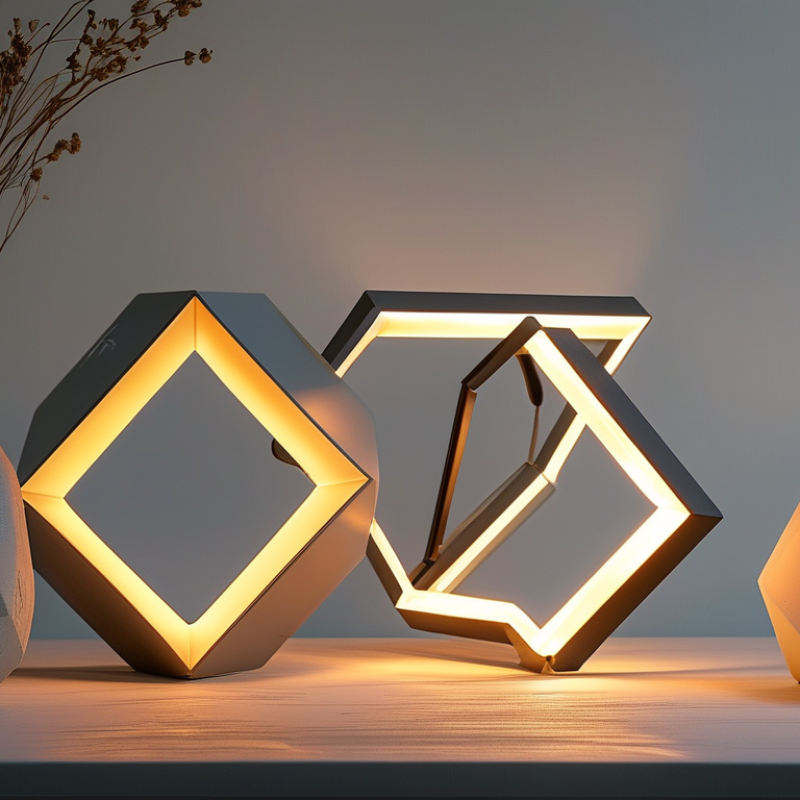
Comparison of Hexagon and Triangle LED Lights
When considering LED lights for your space, hexagon and triangle shapes present unique options. A recent industry report indicates that hexagon LED lights offer a striking aesthetic, often associated with modern decor. Their six-sided design creates a honeycomb effect, maximizing light diffusion. This feature enhances illumination quality in rooms like offices and living areas. Studies show that hexagonal lights can improve mood and productivity in workspaces by up to 20%.
Triangle LED lights, on the other hand, provide a more geometric and sharper aesthetic. A 2022 survey revealed that triangle designs are preferred in minimalist settings, appealing to those who value sleek and simple shapes. Their versatility allows for creative configurations, making them excellent for accent lighting. However, while aesthetically pleasing, they may create uneven light distribution. This could lead to shadowed areas in larger spaces.
Choosing between hexagon and triangle LED lights depends on your intended use and personal taste. If you prioritize broader light coverage, hexagonal options might be ideal. For modern designs with flexibility, triangles could be a better fit. Reflecting on these factors can help create a harmonious lighting environment that meets your specific needs.
Key Features of Hexagon LED Lights
Hexagon LED lights have gained popularity due to their unique design and versatility. They offer a modern touch to any space. Their geometric shape allows for seamless patterns on walls or ceilings. This design encourages creative arrangements that can enhance the aesthetics of a room. A recent market analysis indicates that hexagon shapes in lighting have seen a 30% increase in demand over the past two years.
One notable feature of hexagon LED lights is their energy efficiency. On average, LED lights consume 50-75% less energy than traditional incandescent options. This could save consumers significant amounts on energy bills. According to the U.S. Department of Energy, replacing old fixtures with LED options can lead to an estimated savings of over $200 per year in a typical home. This emphasizes their practical benefits alongside the visual appeal.
Another aspect to consider is their longevity. Hexagon LED lights typically last up to 25,000 hours or more. This lifespan is three times longer than traditional bulbs. However, not all LED products are created equal. Some may not meet expected longevity standards. Buyers should look for reputable certifications and reviews. Thus, while hexagon LED lights present exciting benefits, consumers must remain discerning.
2026 Best Hexagon vs Triangle LED Lights Comparison
Key Features of Triangle LED Lights
Triangle LED lights offer a unique design that appeals to many users. Their geometric shape provides aesthetic flexibility, making them suitable for various spaces. These lights fit seamlessly into modern interiors and evoke a sense of creativity. One key feature is their energy efficiency. Triangle LED lights usually consume less power than traditional bulbs, leading to lower energy bills.
Another important aspect is their durability. Made with high-quality materials, they often last much longer than conventional lighting options. This longevity translates to less frequent replacements, which is both cost-effective and environmentally friendly. Many triangle LED lights also come with adjustable brightness settings. Users can customize the intensity based on their needs, making these lights versatile.
However, potential buyers should consider their installation process. Some users may find them challenging to set up. In addition, the availability of various colors and styles can lead to overwhelming choices. It’s essential to assess the specific lighting needs of a space before making a decision. Proper planning can enhance the overall effectiveness of triangle LED lights in your home or office.
Advantages and Disadvantages of Each Design
When choosing between hexagon and triangle LED lights, it's essential to weigh their advantages and disadvantages. Hexagons are celebrated for their efficiency. A recent report by the International LED Association found that hexagonal designs can save up to 20% more energy than traditional forms. Their distinctive shape allows for better light distribution, making them ideal for large spaces. However, their complexity can lead to higher production costs, which might not appeal to every budget.
Conversely, triangle LED lights are often more straightforward in design. They offer flexibility in shaping environments, especially in home décor. A study by the Light and Energy Research Center indicates that triangular lights tend to emit softer light, which can create more inviting atmospheres. One downside, however, is that they might not achieve the same luminous efficacy as hexagons, especially in commercial settings.
Tips: Consider the area where you plan to install these lights. A larger space could benefit more from hexagonal designs. For smaller, cozy areas, triangles might work perfectly. Always assess your specific needs before making a decision. If you’re still unsure, think about mixing shapes for a unique aesthetic.
Choosing the Right Style for Your Space
When choosing between hexagon and triangle LED lights for your space, consider the overall aesthetic and functionality. Hexagon lights often create a modern and geometric feel. They can enhance the ambiance in minimalist settings. According to a recent industry report, using geometric lighting can increase the perceived space in a room by up to 20%. On the other hand, triangle lights can offer a more dynamic visual appeal. Their angles can add a playful touch, making them suitable for creative spaces.
Tips for selecting the right style: Think about the room's purpose. For example, hexagon lights work well in calming areas, while triangle lights can energize spaces like game rooms or cafes. Experiment with different placements to see how each shape interacts with your décor. Many users report that blending both styles can create a unique look, but balance is needed to avoid visual clutter.
Also, consider the color temperature of the LED lights. Warmer tones can create intimacy, while cooler tones enhance focus. Industry research shows that lighting can significantly affect mood and productivity. Be mindful of how each shape and color affects your space’s overall experience. Don't hesitate to test various combinations before making a final choice.
FAQS
: They are popular for their unique design and versatility in modern spaces.
They can save consumers 50-75% on energy bills compared to traditional bulbs.
They typically last up to 25,000 hours, three times longer than traditional bulbs.
Not all LED lights have the same quality or longevity. Look for certifications.
Their geometric shape provides aesthetic flexibility and fits modern interiors well.
They usually consume less power than traditional bulbs, which helps reduce energy costs.
Some users might find installation challenging or feel overwhelmed by color options.
Their complexity can lead to higher production costs, which may not suit every budget.
They tend to emit softer light, making spaces feel more inviting and cozy.
Assess the space size and specific lighting needs to ensure the best fit.
Conclusion
When considering the best LED lighting options for your space, understanding what is the difference between hexagon and triangle LED lights is essential. Hexagon LED lights offer a modern aesthetic with seamless interlocking designs, allowing for creative configurations that can enhance visual appeal. Their key features often include energy efficiency and customizable color options, making them versatile for various settings. In contrast, triangle LED lights typically provide a more traditional look, with a simpler design that is equally effective in illuminating areas while maintaining a classic appearance.
Each design has its advantages and disadvantages. Hexagon lights can create stunning geometric patterns but may require more planning for installation, while triangle lights are easier to arrange yet may not provide the same level of visual intrigue. Ultimately, choosing the right style for your space depends on your design preferences, the ambiance you wish to create, and the specific areas you want to highlight. By carefully weighing the features and designs, you can select the LED lights that best suit your needs.

 Xolle Light